
Know the names. Honour the stories.
The Ssese Islands are home to a rich living tradition of Lubaale, revered as gods, goddesses and ancestral spiritual beings. Some are widely known; others are remembered through the knowledge held by their communities and custodians, including traditions of healing, hunting, fishing and protection.
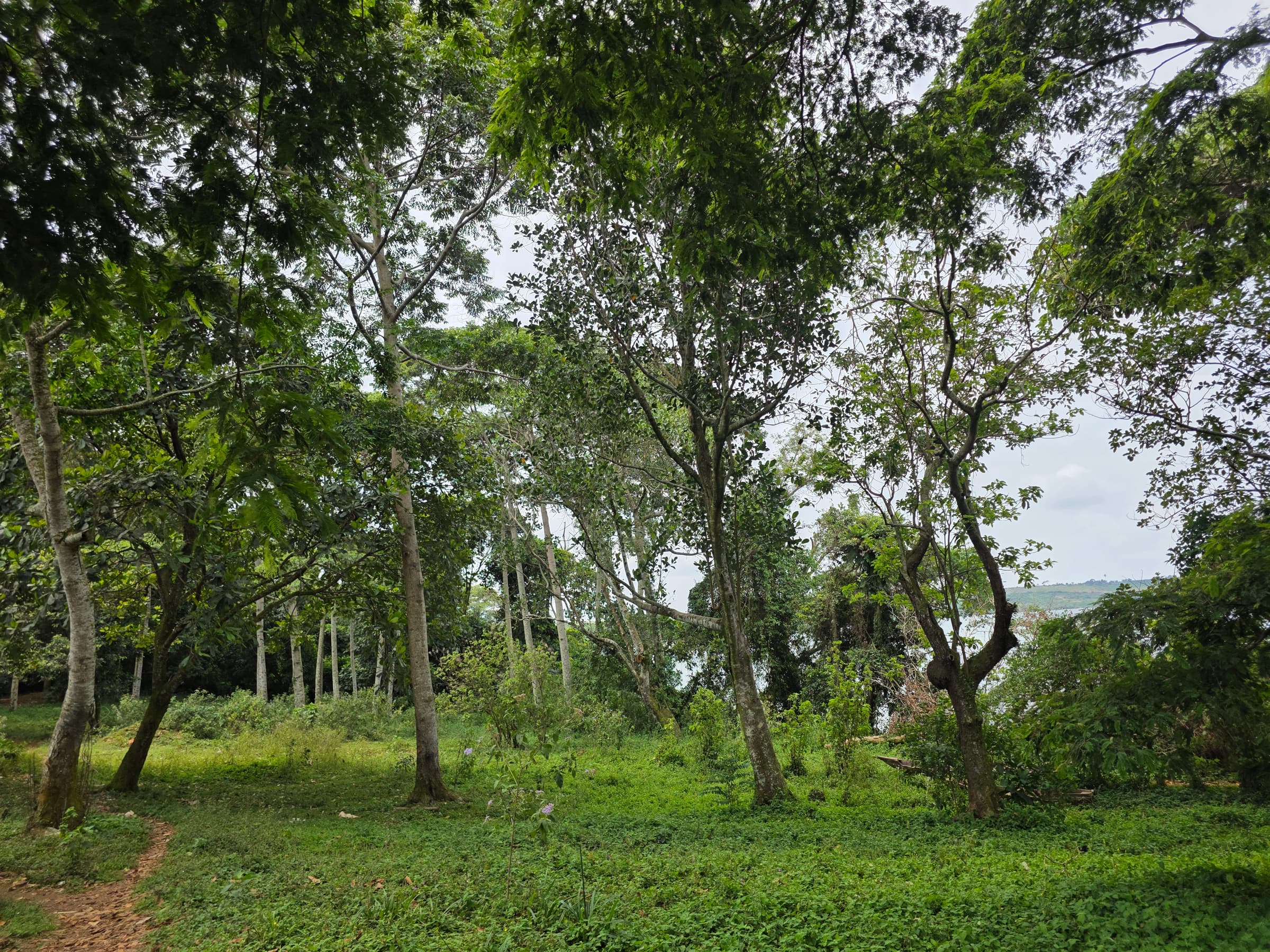
In the sanctuary's account, Kiwamirembe is a gathering place chosen by the Lubaale, where these different spiritual presences may be honoured in peace. Their sacred homes and places of connection include the lake, caves, forests, grasslands, stones, trees, seasonal and permanent springs, traditional houses and fireplaces.
Visitors are invited to approach with an open mind. In this tradition, an encounter depends on which Lubaale chooses to make their presence known; no particular encounter or outcome is promised.
Lubaale Mukasa
Fertility. Good harvests. Good fortune. Wealth and health.
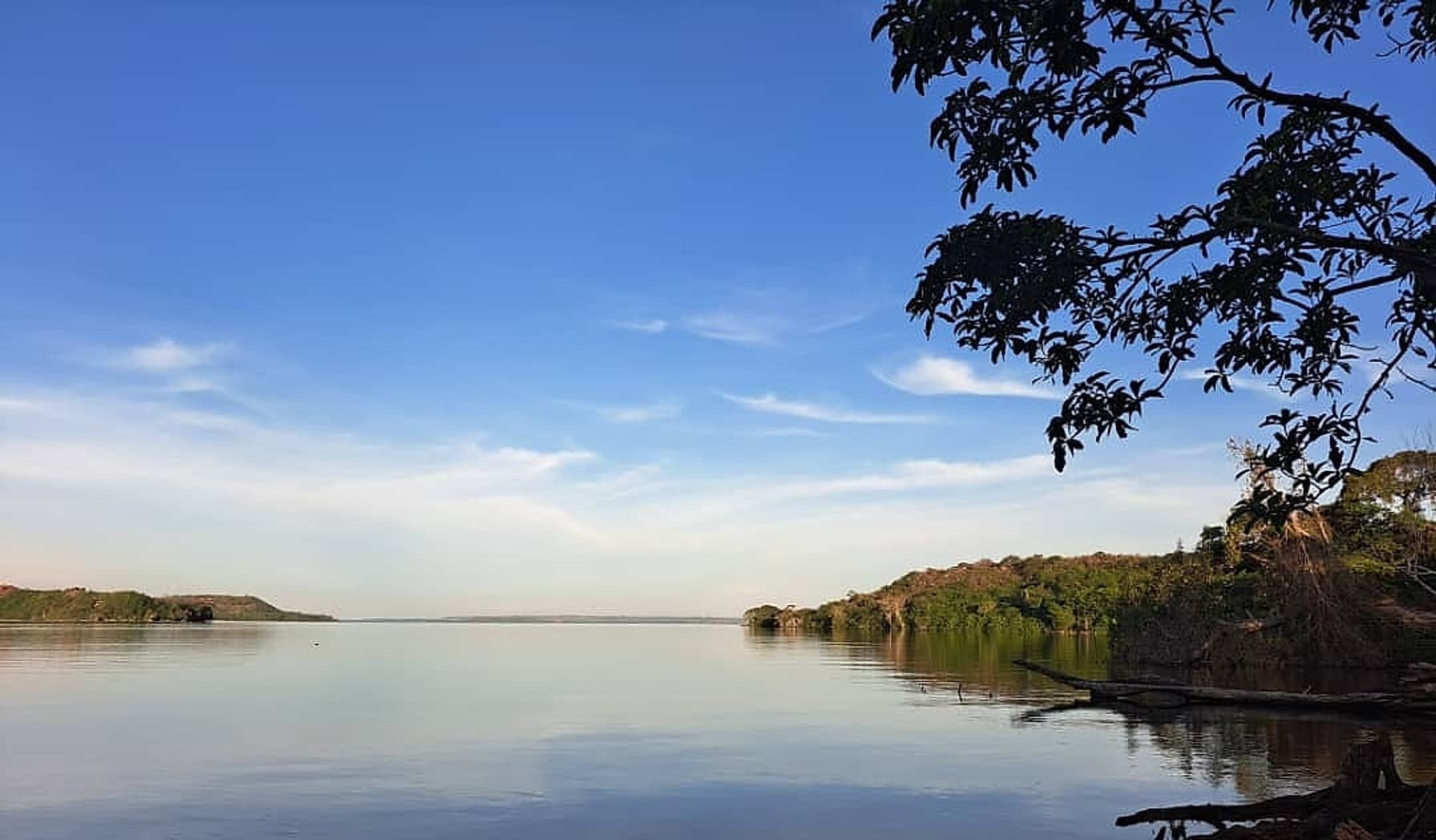
At Kiwamirembe, Lubaale Mukasa holds an important place as the head of all the water Lubaale. The sanctuary's tradition reveres him as the god of fertility and associates him with good harvests, good fortune, wealth and health.
His place within this spiritual family is also remembered: Lubaale Wanema is named as his father. Wanema is also the father of Lubaale Musoke, Lubaale Kiwanuka and Lubaale Kyobe Kyomubeizi (Kibuuka).
These associations express the sanctuary's spiritual understanding of Mukasa and the importance of water within its living heritage.
The Lubaale & the elements
The following groupings follow the sanctuary's own account. Where no individual role is given, the name is preserved without adding an interpretation.
Water
- Lubaale Mukasa
- Head of all the water Lubaale; associated with fertility, good harvests, good fortune, wealth and health.
- Lubaale Musoke
- Heads reproduction together with Nalubaale Namusoke. He is also named among the children of Lubaale Wanema.
- Nalubaale Namusoke
- Heads reproduction together with Lubaale Musoke.
- Lubaale Ssemuvubi
- Heads fishing.
- Lubaale Ssemulobi
- Associated with fishing enthusiasts and those who fish as a hobby.
- Lubaale Maggatto
- Responsible for the Ssese Islands and the water.
Fire
Kiwanuka's chamber and fireplace are described on the cave page.
- Lubaale Kiwanuka
- Fire, thunder, ether and protection.
- Nalubaale Nabawanuka
Earth
- Lubaale Kinene Batenda
- Nalubaale Nabinene
- Lubaale Kitaka
- Lubaale Nakitaka
- Lubaale Nameere
- Lubaale Ndawula Ggogombe
- See the Gogombe fireplace account below.
- Nalubaale Nandawula
- Nalubaale Lubanga
- Lubaale Bbanga
- Lubaale Ddungu
- The hunter; associated with seeking treasure, work, fortune and companionship.
- Nalubaale Nabuzaana
- Associated with marriage and enduring partnerships.
Air & wind
- Lubaale Musisi
- God of earthquakes; associated with sleep and movement in life.
- Lubaale Kikuunta
- Lubaale Kiggundu
- Lubaale Muyanja
- Nalubaale Nakayaga
Ether
Kiwanuka is named in both the fire and ether groupings.
- Lubaale Kiwanuka
- Fire, thunder, ether and protection.
- Lubaale Kyobe Kyomubeizi, also known as Kibuuka
- Named among the children of Lubaale Wanema.
Ekyoto · sacred fireplaces
The sanctuary has many fireplaces, grouped according to the spiritual energies they are understood to hold. In its tradition, fire is used in practices of release: letting go of misfortune, curses, repeated setbacks just before success, financial stagnation and unwanted energy.
These are spiritual practices rather than guarantees of health, financial or relationship outcomes.
Lubaale Kiwanuka
Associated with bringing unresolved matters to the fire, including work, marriage, fortune and relationships.
Lubaale Gogombe
Associated in the source with illness, health and unexpected losses. The earth grouping names Lubaale Ndawula Ggogombe; the fireplace account uses the name Gogombe.
Lubaale Ddungu · the hunter
Associated with seeking treasures, work, fortune and companionship, drawing on his identity as the hunter.
Balongo · the twins
Associated with traditional cleansing of unwanted energy from people and places.
Ekyoto kya Bakyala
A fireplace associated with feminine energy and restoring a sense of balance. The account speaks particularly to women carrying heavy responsibilities or experiencing abandonment, and also welcomes men seeking balance in relation to feminine energy.
Nalubaale Nabuzaana
Especially associated with women seeking marriage, guidance about marital difficulties and blessings for an enduring partnership. Evening conversations with the host and her team take place here as the day draws to a close.
The wider spiritual family
The elemental groupings are part of a wider spiritual family. The sanctuary also honours these presences, described through the chambers and fireplaces.
Nalubaale Namusisi
Sister of Lubaale Musisi. In the sanctuary's tradition, Musisi puts people to sleep and Namusisi wakes them each morning.
Read the Musisi chamber story →Balongo · the twins
The twin presence is honoured at a fireplace associated with cleansing unwanted energy from people and places.
Explore the Balongo fireplace →The account names Nalubaale Nabawanuka with fire; Lubaale Kinene Batenda, Nalubaale Nabinene, Lubaale Kitaka, Lubaale Nakitaka, Lubaale Nameere, Lubaale Nandawula, Lubaale Lubanga and Lubaale Bbanga with earth; and Lubaale Kikuunta, Lubaale Kiggundu, Lubaale Muyanja and Lubaale Nakayaga with air and wind. It does not give separate stories or responsibilities for these names. Their names and elemental connections are honoured here as recorded; the custodians can share further knowledge during your visit.
This guide shares the sanctuary's own cultural and spiritual account. Ask the custodians about the names, meanings, preparation and permissions that apply to your visit. Sacred practices remain part of a living tradition, shared with care and respect.